Reviewing the Juneteenth Liberation Day SVG for Embroidery
As a designer who has spent years translating digital vectors into threaded reality, I approach every new machine embroidery design with a mix of curiosity and caution. We have all been there: downloading a beautiful graphic that looks stunning on a screen but turns into a tangled mess of thread breaks and puckering once it hits the hoop. Recently, I evaluated the Juneteenth Svg, Liberation Day Svg collection to determine its viability for real-world commercial and personal projects. This is not just about aesthetics; it is about functionality, stitchability, and the final impact on the finished product.
First Impressions: Mood and Visual Weight
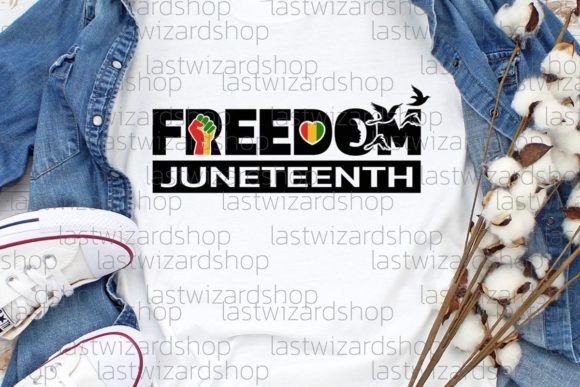
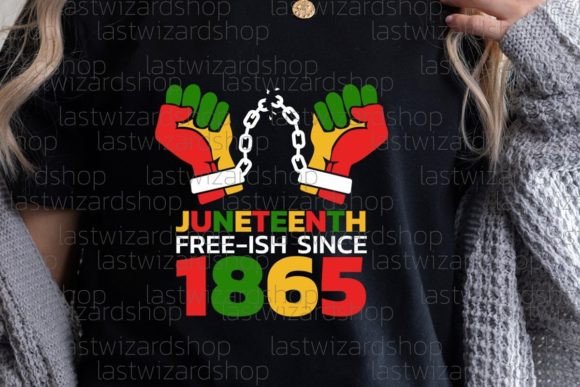
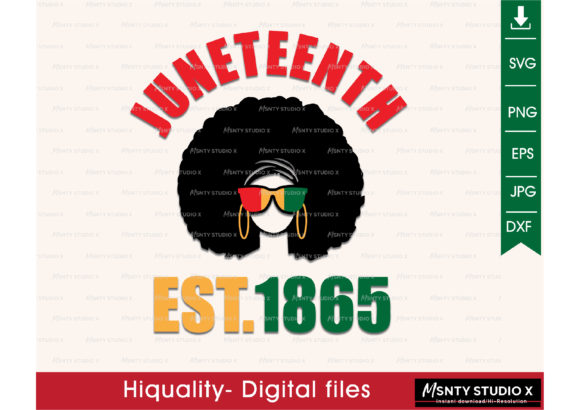
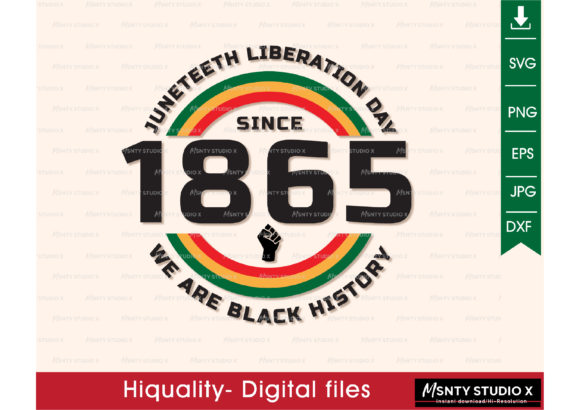
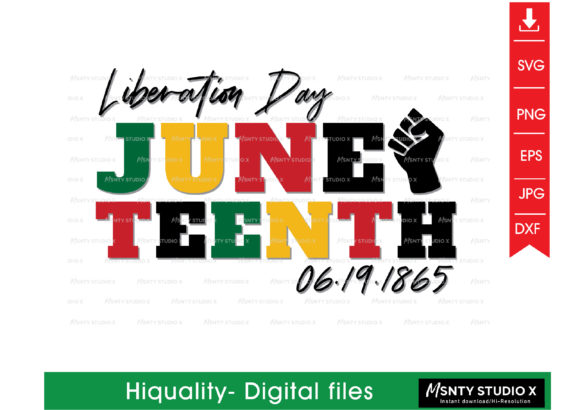
The immediate impression of this Graphics set is one of bold, unapologetic celebration. The themes of liberation and freedom are central, often represented through strong silhouettes, powerful typography like "Since 1865," and symbolic imagery associated with Black power and heritage. For an embroidery designer, the visual weight is crucial. These designs do not rely on delicate, hairline details that vanish under thread. Instead, they utilize solid shapes and clear lines, which is exactly what you want when working with an embroidery file intended for apparel or home decor.
The mood is dignified yet vibrant. When I visualize these elements stitched out, I see them working best with high-contrast thread colors. The design language suggests a need for clarity. In the context of Crafts, this means the design avoids unnecessary complexity that could muddy the message. It feels ready for purpose-driven creation, whether that is for a community event, a boutique launch, or a deeply personalized gift.
Real-World Application: From Screen to Stitch
To truly test the potential of the Juneteenth Svg, Liberation Day Svg, I mentally walked through several common production scenarios. The versatility here is notable, but it requires strategic placement.
Consider a heavy cotton tote bag design. This is perhaps the ideal canvas. The fabric is stable, providing a firm foundation for the fill stitch areas likely present in the larger graphic elements. A tote bag allows for a larger hoop size, meaning you can maximize the detail without worrying about scaling down to the point of illegibility. The bold nature of the "Black Power" or "Freedom Day" motifs would stand out beautifully against natural canvas or deep indigo denim.
Another strong candidate is sweatshirt embroidery. Here, the texture of the fleece or French terry adds a layer of challenge. However, because these SVGs tend toward stronger, simpler forms rather than intricate lace-like patterns, they translate well to textured fabrics. The key is managing the stitch density. If the digital file is too dense, the garment will pucker. If it is too light, the fabric background will show through, breaking the visual continuity. For a high-quality custom apparel piece, I would recommend testing the design on a scrap piece of the exact sweatshirt material to gauge how the threads sit on the pile.
Navigating Technical Challenges
While the designs are strong, they are not without their technical demands. As an experienced reviewer, I must highlight where caution is needed. If you are planning to use these on an embroidered patch, you are in safe territory, provided you use a sturdy backing. However, applying these to curved surfaces like caps requires careful digitizing adjustments. The standard SVG format is a vector graphic, not a stitch file. This is a critical distinction for many Etsy seller newcomers. You cannot simply load an SVG into an embroidery machine. It must be digitized—converted into stitch types like satin stitch for borders and text, and fill stitches for larger areas.
If you are using this as a base for digitizing, pay close attention to the corners. Sharp angles in SVGs can cause thread bunching if not properly under-stitched. Furthermore, tiny lettering, such as the date "1865," needs to be scrutinized. On a small hoop size like a 4x4 inch frame, small text can become unreadable if the stitch count is too low or the font is too thin. I always advise checking the legibility at actual size before committing to a full production run.
Fabric choice also dictates success. On stretchy knits or thin rayon, a heavy design will distort the garment. Using the correct stabilizer is non-negotiable. For a baby embroidery project, such as a onesie, you must ensure the back of the stitching is soft and does not irritate sensitive skin. This might mean using a lighter weight fill or switching to an applique design technique where fabric pieces are stitched down, reducing the amount of thread on the back.
Commercial Value and Brand Consistency
For small shop product creators and craft business owners, the aesthetic appeal of the Juneteenth Svg, Liberation Day Svg translates directly to perceived value. Customers are increasingly discerning. They can tell the difference between a generic, poorly executed print and a thoughtfully stitched item. A well-executed embroidery project conveys quality, durability, and care.
When creating printable mockup images for your online store, ensure the digital representation matches the physical reality. Use high-resolution photos of the actual stitched item. Show the texture of the thread. Highlight the precision of the running stitch outlines if used. This transparency builds customer trust. Whether you are selling holiday embroidery items for June celebrations or year-round design assets for social justice themes, consistency in quality reinforces your brand identity.
Moreover, these designs fit seamlessly into a broader catalog of commercial embroidery work. They can be paired with other cultural or historical motifs to create cohesive collections. For digital product sellers, offering both the SVG for crafters with cutting machines and the digitized embroidery file for machine users can double your market reach. Just ensure you clearly label what is included in the download.
Practical Designer Notes for Best Results
Before you begin stitching, take these practical steps to ensure professional results:
- Test on Scrap Fabric: Always run a test stitch-out on the same type of fabric you intend to use for the final product. This reveals issues with tension, density, and stabilizer compatibility.
- Check Thread Contrast: View your design in black and white. If the elements blend together without color, the shape definition is strong. If it looks like a blob, you may need to adjust spacing or add outlining.
- Verify Licensing: The product description mentions "INSTANT DOWNLOAD" and implies commercial use for finished goods, but always read the specific license terms. Can you sell the digital file? Or only the physical handmade product? Clarify this to protect your business.
- Inspect Small Details: Zoom in on the SVG. Are there stray anchor points? Clean up the vector paths before digitizing to ensure smooth curves and efficient stitch generation.
- Consider the Hoop: Match the design size to your hoop. Do not try to cram a large, complex design into a small hoop without scaling, which can compromise detail.
In conclusion, the Juneteenth Svg, Liberation Day Svg offers a robust foundation for meaningful textile art. It respects the gravity of its subject matter while providing the visual clarity needed for successful embroidery. By approaching it with technical diligence and creative respect, you can produce items that are not only visually striking but also emotionally resonant. Whether for a kitchen towel, a pillow cover, or a statement jacket, these designs hold up under the needle, provided you give them the preparation they deserve.