Reviewing the Freedom Juneteenth SVG for Embroidery
As a designer who spends half my life digitizing and the other half stitching, I approach every new machine embroidery design with a mix of curiosity and skepticism. We have all seen the flood of digital assets hit the market, especially around significant cultural moments. The Freedom Juneteenth Svg, , Black History collection is one such asset that has caught my eye recently. It is marketed broadly as a cut file for Cricut and Silhouette users, but my interest lies in how these graphics translate when put under the needle. Can a design born for vinyl cutting hold up as a premium embroidery project? I decided to test its potential for real-world application, moving beyond the screen to see how it performs on fabric.
First Impressions: Mood and Visual Personality
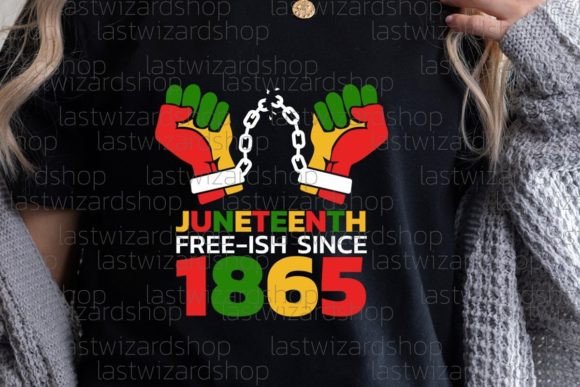
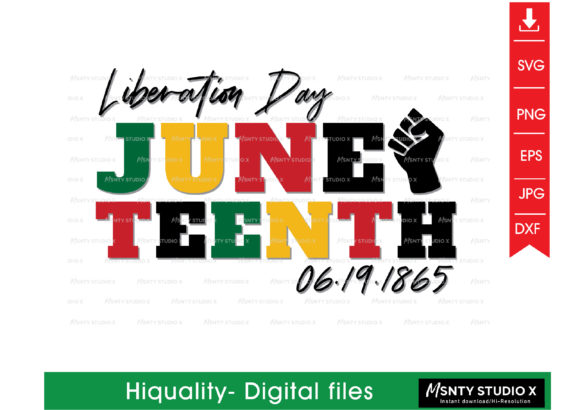
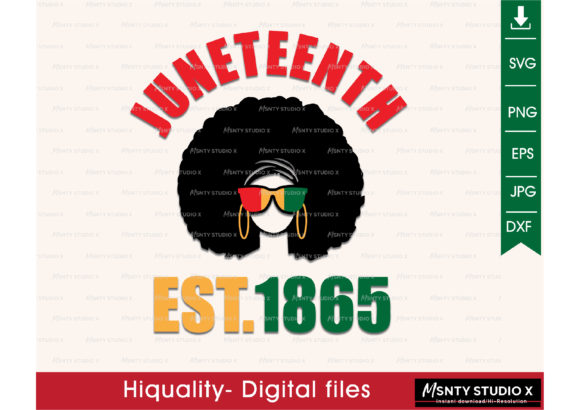
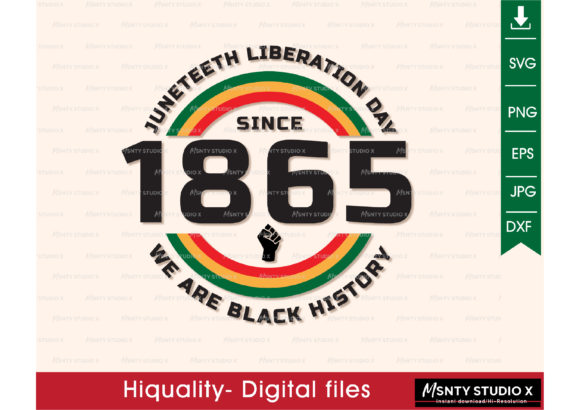
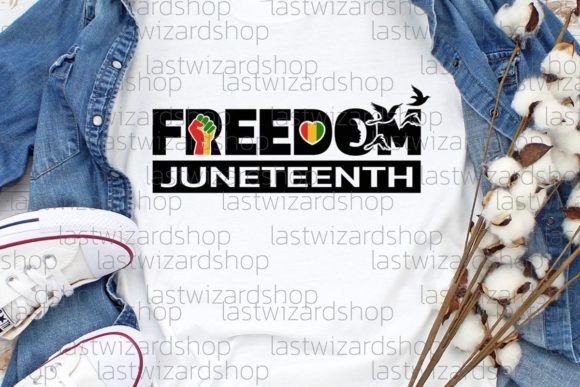
The immediate impact of the Freedom Juneteenth Svg, , Black History design is its boldness. The typography and symbolic elements associated with "Freedom 1865" and "Freeish" carry a weight that demands attention. In the context of Crafts and Graphics, this is not a subtle, background pattern. It is a statement piece. The layout typically features strong, clean lines which are ideal for translation into satin stitches or dense fill stitches. For an embroidery designer, this is promising. Clean lines mean fewer jumps and a cleaner finish, provided the digitizing respects the original vector’s integrity.
The mood is celebratory yet grounded. It evokes a sense of heritage and resilience. When I visualize this on a product, I do not see it as a fleeting trend item. Instead, it feels like a cornerstone for a boutique’s seasonal collection. The visual personality is assertive, making it suitable for items where the design is the hero, such as the center chest of a hoodie or the full face of a tote bag.
Real-World Application: From Screen to Stitch
To truly evaluate this design, I imagined a specific scenario: preparing a custom order for a local community organization celebrating Juneteenth. They requested personalized gifts that felt high-quality and durable. My go-to for this is a heavy-weight canvas tote bag design or a structured sweatshirt embroidery piece. Here is how the Freedom Juneteenth Svg, , Black History fits into that workflow.
For a tote bag, the design’s scale is crucial. If the graphic includes intricate details meant for large-format printing, those might get lost in embroidery. However, the core elements of African American history themes often rely on strong silhouettes. If the design maintains its clarity at a 4x4 or 5x7 inch size, it becomes versatile. I envision using a contrasting thread color to make the text pop against natural canvas. A deep red or gold thread on unbleached cotton creates a striking, historical aesthetic that resonates with the theme.
When considering custom apparel, such as a black hoodie, the design needs to handle dark fabric well. This is where the distinction between a simple SVG and a proper embroidery file matters. If you are converting this SVG yourself, you must ensure that underlay stitches are sufficient to prevent the black fabric from showing through lighter thread colors. For a professional finished product, I would recommend a dense satin stitch for the borders and a tatami fill for larger areas to ensure coverage and durability.
Navigating Technical Challenges
While the aesthetic appeal is strong, practical execution requires caution. Not every surface is friendly to this type of bold graphic. Here are the areas where I would advise careful planning:
- Small Hoop Sizes: If the design includes small lettering like "1865" or "Freeish," shrinking it to fit a 4x4 hoop might render the text illegible. Always check the minimum readable size before committing to a small embroidered patch or baby item.
- Textured Fabrics: On towels or fluffy fleece, fine details can sink into the pile. For a kitchen towel or blanket, I would recommend using a topping stabilizer to keep the stitches on the surface, ensuring the stitch density does not cause puckering.
- Stretchy Fabric: T-shirts require a cut-away stabilizer. If the design is too dense, it can stiffen the fabric uncomfortably. I would test a sample on scrap fabric first to gauge the hand feel of the final handmade product.
- Curved Surfaces: Applying this to a cap requires splitting the design or adjusting the pull compensation. A wide, horizontal layout might distort on the front panel of a baseball cap unless properly digitized for curved surfaces.
Enhancing Product Value and Brand Consistency
For Etsy sellers and small shop product creators, the choice of design directly impacts perceived value. A crisp, well-stitched Freedom Juneteenth Svg, , Black History motif signals professionalism. It shows that the maker cares about cultural representation and quality craftsmanship. This builds customer trust. When a buyer receives a personalized gift that looks clean and intentional, they are more likely to leave a positive review and return for future purchases.
Moreover, this design fits seamlessly into a broader brand narrative focused on empowerment and history. It can be part of a cohesive collection that includes other holiday embroidery items or year-round educational apparel. By using consistent thread colors and placement strategies, you create a recognizable brand identity. For instance, using the same shade of kente-cloth-inspired threads across different products ties the collection together visually.
Practical Notes for the Embroidery Designer
Before you load this design into your machine, take these steps to ensure success:
- Test on Scrap Fabric: Never skip this step. Use the same fabric and stabilizer combination you plan to use for the final item. Check for registration issues and thread breaks.
- Check Thread Color Contrast: View your design in black and white mockups. If the design relies solely on color to distinguish elements, it may fail in monochrome stitching. Ensure shapes are distinct enough to stand alone.
- Review Stitch Density: If you are digitizing this from the SVG, avoid overly dense fills. High density can lead to needle heat and thread breakage, especially on synthetic blends. Aim for a balance that covers the fabric without creating a cardboard-like stiffness.
- Confirm Licensing: Since this is a digital asset, verify whether the license allows for commercial use. Many SVGs are for personal use only. If you are selling commercial embroidery items, ensure you have the right to use the design on physical goods. Do not assume that because it is a cut file, it is free for resale in stitched form.
- Inspect Small Details: Zoom in on the vector file. Are there tiny anchor points or stray nodes? These can cause unnecessary jumps or weird stitch paths. Clean up the vector before digitizing to save time and thread.
Final Verdict
The Freedom Juneteenth Svg, , Black History design holds significant potential for the thoughtful embroidery practitioner. It is not just a graphic; it is a tool for storytelling through stitch. Whether you are creating a baby embroidery keepsake, a bold statement sweatshirt, or a set of promotional tote bags, this design can elevate your work if handled with technical precision. Remember, the difference between a good product and a great one often lies in the preparation. Respect the theme, respect the fabric, and let the machine do what it does best. By integrating this design into your design assets library with care, you contribute to a meaningful and visually stunning collection of handmade goods.