Reviewing Leopard Frame SVG for Embroidery Projects
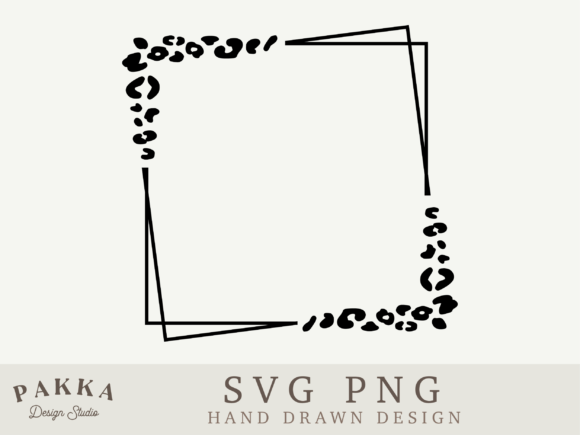
As a designer who spends more time hooping fabric than browsing social media, I have learned that not every digital file translates well to thread. We see thousands of design assets flood the market, promising versatility for everything from mugs to shirts. But when it comes to needle and bobbin, the rules change. Recently, I pulled the Leopard Frame Svg Circle Frame Png from Pakka Design Studio into my workflow to test its viability for a client’s boutique line. Here is my honest assessment of how this graphic holds up when moved from the screen to the sewing machine.
First Impressions: Mood and Visual Personality
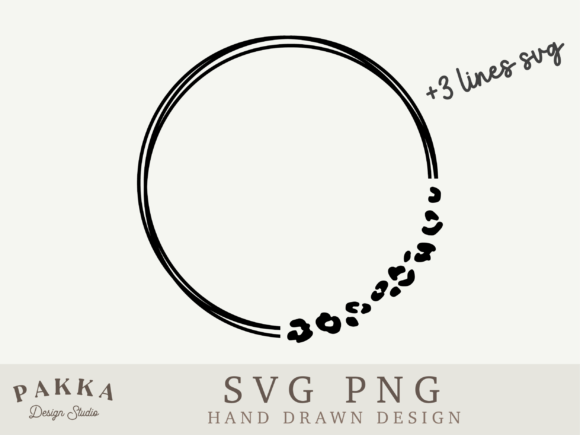
The first thing that strikes you about the Leopard Frame Svg Circle Frame Png is its bold, confident energy. It does not try to be subtle. The leopard print motif within a circular boundary creates an immediate focal point. For embroidery, this is a double-edged sword. On one hand, high-contrast designs grab attention on a retail rack or an Etsy thumbnail. On the other hand, busy patterns can easily turn into a muddy mess if the stitch count is too high or the resolution too low.
The circular layout is inherently balanced. In the world of Crafts, circles are friendly. They work on curved surfaces like caps and rounded items like tote bags without requiring complex distortion adjustments. The "frame" aspect suggests that this design is meant to hold something—perhaps a monogram, a name, or a date. This makes it exceptionally useful for personalized gifts, where the customer wants their identity centered within a stylish border.
Real-World Application: The Custom Tote Test
To truly evaluate a file, you must imagine it stitched. I visualized this design on a heavy canvas tote bag, a staple for any small shop product. The goal was to create a chic, modern accessory that could transition from a grocery run to a beach day. Using the Leopard Frame Svg Circle Frame Png as the central element, I placed a simple sans-serif initial in the negative space of the circle.
The result? Visually, it worked. The leopard spots provided texture without overwhelming the initial. However, this is where the difference between a PNG and an SVG becomes critical. If you are using the PNG for a printed transfer or sublimation, the pixel density matters immensely. But for embroidery, you need clean vector lines to generate proper stitch paths. If you are converting this graphic into a machine embroidery design yourself, ensure the edges of the leopard spots are smooth. Jagged edges in a digital file lead to erratic needle jumps and thread breaks in the finished product.
Stitching Considerations and Fabric Choice
Let’s talk about the technical side. Leopard print is essentially a pattern of irregular shapes. In embroidery, we typically handle this with fill stitches or satin stitches, depending on the size. If you are stitching this on a standard 4x4 or 5x7 hoop, the details need to be simplified. A true-to-life leopard spot has tiny nuances that a sewing machine cannot replicate at a small scale.
I recommend checking the stitch density carefully. If the design is too dense, it will pucker lightweight fabrics like cotton voile or thin jersey. For a sweatshirt embroidery project, however, the fabric is thick enough to support a heavier stitch count. The Leopard Frame Svg Circle Frame Png shines here because the circular frame provides a solid anchor. You can use a thicker satin stitch for the ring and a lighter fill for the interior spots to maintain balance.
Fabric texture plays a huge role. On textured towels or waffle knit, fine details disappear. This design is best suited for smooth, stable fabrics like twill, denim, or high-quality cotton blends. If you are working with stretchy fabric, such as for baby embroidery on onesies, you must use a cut-away stabilizer. The weight of the thread in a detailed frame can distort stretchy material if not properly supported.
Versatility Across Products
Beyond totes and sweatshirts, where else does this design fit? I see strong potential in holiday embroidery. Imagine this frame in red and green tones for a festive ornament tag or a pillow cover. The circular shape mimics the form of ornaments, making it a natural fit for seasonal decor. For wedding gifts, switching the leopard print to a subtle tone-on-tone thread color creates an elegant, understated look for napkins or robe hangers.
For the Etsy seller or craft business owner, this asset offers flexibility. It can serve as a standalone patch design. An embroidered patch allows you to stitch the design on a stable backing, trim it, and then apply it to various garments. This solves the issue of hooping difficult items like caps or jackets. You stitch the Leopard Frame Svg Circle Frame Png once, perfectly, and then apply it to dozens of products. This efficiency is crucial for commercial embroidery operations where time is money.
Potential Pitfalls and Designer Notes
While the design is strong, it is not without risks. Here are my practical notes for anyone planning to use this file:
- Test on Scrap First: Never stitch a new design directly on your final garment. Run a test on the same fabric type to check for puckering or thread breaks.
- Contrast is Key: Leopard print relies on contrast. Ensure your thread colors stand out against the fabric. A dark brown on black fabric will vanish. Use a light tan or cream for visibility.
- Check Licensing: Pakka Design Studio mentions use for shirts, mugs, and creative ideas. However, always confirm whether the license covers commercial sales of physical goods. Most designers allow selling finished handmade products but prohibit reselling the digital file itself.
- Simplify for Small Hoops: If you are using a small hoop, reduce the complexity of the spots. Too many tiny details will clutter the design and increase stitch time unnecessarily.
- Mockup in Black and White: Before stitching, view the design in grayscale. If the shape loses definition without color, the contrast is insufficient for embroidery.
Enhancing Brand Value and Customer Trust
Why does design quality matter? Because it reflects your brand. A sloppy, poorly digitized leopard frame suggests carelessness. A crisp, well-stitched frame suggests professionalism. When a customer receives a personalized gift with clean edges and balanced tension, they trust your craft. They are more likely to leave a positive review and return for future purchases.
The Leopard Frame Svg Circle Frame Png contributes to this perception by offering a trendy, recognizable aesthetic. Animal prints remain a staple in fashion and home decor. By incorporating this into your custom apparel or home goods, you tap into a timeless trend. However, execution is everything. Use high-quality threads, such as rayon or polyester, to give the spots a slight sheen. This adds depth and makes the design pop against matte fabrics.
Final Verdict for Makers and Sellers
In conclusion, the Leopard Frame Svg Circle Frame Png is a versatile asset for the modern maker. It bridges the gap between digital graphics and tactile crafts. It works best when treated with respect for the limitations of embroidery machinery. Do not expect it to look exactly like a printed image. Embrace the texture of the thread. Simplify where necessary. Choose your fabrics wisely.
For the hobbyist, it is a fun challenge to explore texture and framing. For the small business owner, it is a reliable template for creating high-margin personalized items. Whether you are making a single baby gift or a hundred tote bags for a boutique launch, this design holds up under scrutiny. Just remember to check the specific file formats provided by Pakka Design Studio. If you receive an SVG, you have scalable vectors ideal for cutting machines or manual digitizing. If you receive a PNG, ensure it is high-resolution for printing or tracing.
Ultimately, successful embroidery is about problem-solving before the needle hits the fabric. With the right preparation, this leopard frame can become a signature element in your portfolio, adding a touch of wild elegance to your finished products.