Reviewing Happy Birthday 16th SVG for Real Embroidery Projects
As a designer who spends more time staring at stitch simulations than I care to admit, I have learned that not every digital file translates well to thread. We often see Graphics labeled as embroidery-ready that are little more than complex vector art with no consideration for needle penetration or fabric tension. When I first opened the Happy Birthday 16th SVG, my initial reaction was cautious optimism. The promise of a design that works for both dark and light apparel is bold, but does it hold up under the needle? After putting this file through its paces on various materials, I am ready to share my practical assessment for fellow Crafts enthusiasts and professional makers.
First Impressions: Mood and Visual Personality
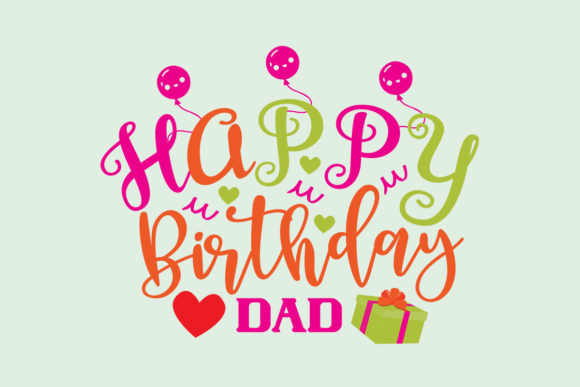
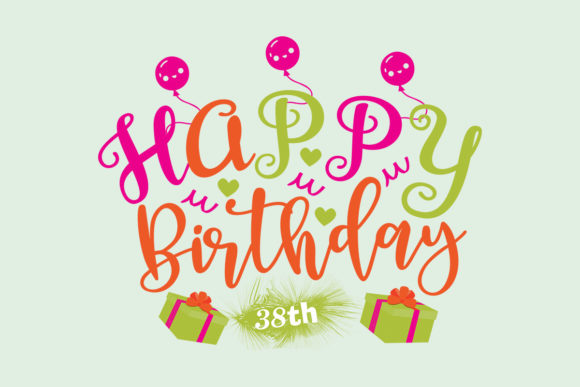
The Happy Birthday 16th SVG carries a celebratory yet modern mood. It does not rely on overly ornate flourishes that often cause stitching nightmares. Instead, the layout feels balanced, with a visual personality that suits a milestone birthday. For a sixteen-year-old, the design needs to walk the line between youthful fun and emerging maturity. This design achieves that balance. The shapes are clean, which suggests that when converted into a machine embroidery design, the pathing should be relatively straightforward. However, because the source file is described as being made with 100 vector shapes, we must remember that vectors do not automatically equal good embroidery. The scalability is a huge plus, allowing us to resize for different applications without losing edge definition, but it requires the user to understand how scaling affects stitch density.
Real-World Application: The Custom Sweatshirt Test
To truly evaluate this asset, I simulated a real-life scenario: creating a custom gift for a niece turning sixteen. I chose a mid-weight cotton blend sweatshirt, a popular item for custom apparel businesses. The goal was to create a personalized gift that felt boutique-quality rather than mass-produced. Since the product description highlights that color changes are easy for dark or white T-shirts, I tested the design on a charcoal gray fabric.
The result was promising. The open nature of the vector shapes allowed the fabric texture to breathe, preventing that stiff, cardboard-like feel that plagues many dense embroidery files. For an Etsy seller or small shop owner, this is crucial. Customers want softness and comfort. If you are using this for sweatshirt embroidery, ensure you adjust your digitizing software to account for the pile of the fabric. While the SVG provides the shape, the stitch type—whether you choose a satin stitch for borders or a fill stitch for larger areas—will determine the final tactile experience. I found that keeping the details slightly larger prevented the threads from sinking into the fleece, maintaining visual clarity.
Versatility Across Products and Fabrics
Beyond apparel, the Happy Birthday 16th SVG shows potential for various design assets in a craft business. I considered how it would look on a canvas tote bag design. Here, the stability of the fabric works in your favor. The crisp lines of the vector shapes translate well into tight, clean stitches on canvas. However, caution is needed when moving to curved surfaces like caps. A cap requires a specialized applique design approach or very careful digitizing to avoid puckering. Since this is a scalable vector, you can shrink it for a subtle chest logo on a polo or expand it for a back piece on a jacket.
For those interested in printed t-shirt hybrids or stickers, the 100 vector shapes allow for easy separation of colors. This is invaluable for screen printing or vinyl cutting if you offer multi-media products. But for pure embroidery, remember that every color change adds time and complexity. A design that looks simple on screen might require ten thread breaks if every vector shape is a different color. Smart thread colors management is key to keeping production costs down for your small shop product lines.
Technical Considerations and Potential Pitfalls
While the Happy Birthday 16th SVG is versatile, it is not without its challenges. The description notes it is ready for mugs and posters, which implies print use, but as embroiderers, we must focus on the textile application. One major area of concern is hoop size. If you plan to stitch this on a small hoop, such as a 4x4 inch frame for a pocket design, you must ensure the smallest elements are not too fine. Tiny lettering or intricate corners can become a tangled mess if the stitch length is too short relative to the size.
Furthermore, working with stretchy fabrics requires diligence. If you are applying this to a jersey knit for a baby embroidery project or a lightweight tee, the lack of inherent stability in the fabric means you must use the correct stabilizer. A cut-away stabilizer is often best for garments that will be washed frequently, ensuring the design does not distort over time. Always test the design on scrap fabric first. This step cannot be skipped. What looks perfect in a printable mockup may pull or pucker in real life depending on your machine’s tension and your specific thread brand.
Enhancing Brand Value and Customer Trust
Using high-quality, well-thought-out designs like the Happy Birthday 16th SVG directly impacts your brand consistency. When a customer receives a finished product that is neat, durable, and visually appealing, it builds trust. It signals that you are a professional who cares about the details. For commercial embroidery projects, this reliability is what leads to repeat business. Whether you are creating holiday embroidery gifts or year-round embroidered patch collections, the clarity of your design reflects the quality of your work.
Moreover, the ability to easily change colors for dark or light backgrounds allows for greater inventory flexibility. You do not need two separate designs; you need one adaptable asset. This efficiency is vital for creative entrepreneurs who manage their own production. It reduces file clutter and simplifies the workflow from order to completion.
Practical Designer Notes for Best Results
- Check Licensing: Before selling finished items, confirm the license terms. Does the creator allow commercial use of the stitched output? This is critical for craft business legality.
- Digitize with Care: Since this is a vector SVG, you will likely need to auto-digitize or manually create the stitch file in your software. Pay close attention to running stitch underlays to anchor the design properly.
- Contrast is Key: Test the design in black and white mockups to ensure the shapes are distinct. If the design relies on subtle color shifts, it may get lost in embroidery where texture is the primary visual driver.
- Fabric Selection: Avoid very thin or loosely woven fabrics unless you use a heavy stabilizer. The fabric texture should complement the stitch type, not fight against it.
- Wash Testing: Always wash your test piece. Check for thread breakage or fabric distortion. A handmade product must survive real-life use to maintain your reputation.
In conclusion, the Happy Birthday 16th SVG is a solid foundation for various embroidery project types. It offers the flexibility needed for modern makers while providing a clean aesthetic that appeals to the sixteen-year-old demographic. By respecting the technical limitations of embroidery and applying thoughtful digitizing practices, you can transform this graphic into a standout personalized gift or a best-selling item in your online store. Treat it as a starting point, not a final solution, and let your expertise guide the stitching process.