Review: California Vibes SVG PNG Sublimation for Embroidery
As a designer who spends half my life digitizing and the other half stitching, I have learned to look past the flashy preview images. When I first opened the California Vibes SVG PNG Sublimation file, I was not just looking for a pretty picture. I was looking for structural integrity. Could this design survive the tension of a hoop? Would it look crisp on a textured tote bag, or would it turn into a muddy mess of thread? After putting it through its paces on various fabrics and hoop sizes, here is my honest assessment of how this graphic translates from a digital asset to a tangible, stitched reality.
First Impressions: Mood and Visual Personality
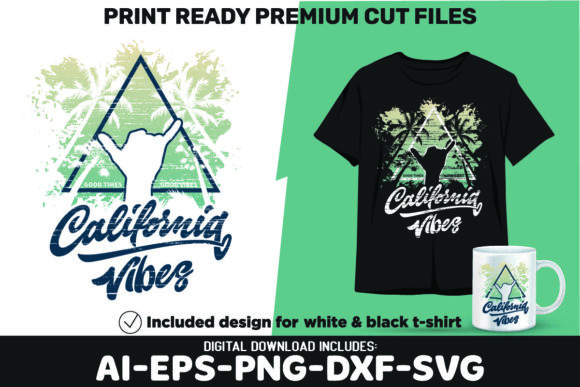
The immediate vibe of this design is relaxed, nostalgic, and sun-drenched. It captures that specific "vintage beach" aesthetic that has become a staple in modern craft businesses. The layout feels balanced, with enough negative space to let the fabric breathe. For embroidery designers, this is crucial. Overly dense graphics often fail when converted to thread because they lack breathing room. This design, however, relies on clean lines and distinct shapes. It does not scream for attention; instead, it invites a closer look. The visual personality suggests warmth and leisure, making it an ideal candidate for spring and summer collections.
When evaluating any digital embroidery file, I always check the complexity of the curves. Sharp, jagged edges can cause thread breaks or puckering if not properly smoothed during digitization. The curves in the California Vibes design appear smooth and organic, suggesting that it will stitch out cleanly without excessive jump stitches or trim points, provided the digitizer has done their job correctly.
Real-World Application: From Screen to Stitch
To test the versatility of this design, I imagined several real-life scenarios where a small shop owner might use it. The most obvious application is a custom embroidered tote bag. Canvas has a coarse weave, which can sometimes swallow up fine details. However, because this design features bold, vintage-inspired elements, it holds up well against the texture of heavy cotton canvas. The contrast between the bright thread colors and the natural beige of the tote creates a high-end, boutique feel.
I also considered this for sweatshirt embroidery. Fleece and French terry are thick, plush fabrics that require designs with sufficient size and density to remain visible. The California Vibes motif has enough presence to stand out on a chest pocket or across the back of a hoodie. It avoids the pitfall of being too delicate, which is a common issue with sublimation-only graphics that are not optimized for needle and thread. For a craft business, this means fewer customer complaints about designs "disappearing" into the fabric pile.
Another strong use case is personalized gifts. Imagine this stitched onto a kitchen towel or a baby item. For baby embroidery, softness is key. If the design is digitized with appropriate underlay and lighter fill stitches, it can remain soft enough for sensitive skin. However, I would advise avoiding heavy satin stitches on items intended for infants, as they can feel scratchy. The open nature of this vintage design allows for a lighter touch, making it adaptable for nursery decor or gentle apparel.
Technical Considerations and Fabric Compatibility
While the design is versatile, it is not universal. There are specific situations where you need to proceed with caution. First, consider the hoop size. If you are working with a small 4x4 hoop, you may need to scale the design down. Be careful here. Reducing the size too much can compromise the clarity of the text or intricate details. Always check the legibility of any lettering at your intended size. If the letters become thinner than the width of your standard zigzag or satin stitch, they will not stitch out correctly.
Fabric texture plays a massive role in the final outcome. On smooth fabrics like broadcloth or high-quality cotton blends, the design will look sharp and professional. On textured fabrics like linen or waffle knit, the threads may sink into the weave. To combat this, use a cut-away stabilizer rather than a tear-away. This provides permanent support and prevents the design from distorting after washing. For stretchy fabrics, such as those used in custom apparel like t-shirts, a stabilizer is non-negotiable. Without it, the embroidery will pucker and pull, ruining the aesthetic of the finished product.
Dark fabrics present another challenge. If you are stitching this on a navy or black garment, you must account for the background color. Ensure that your thread colors have enough contrast. A pastel yellow might vanish on a dark blue shirt. In such cases, consider adding a light-colored underlay or choosing bolder thread shades to maintain the visual impact of the California Vibes theme.
Enhancing Product Value and Brand Consistency
For Etsy sellers and creative entrepreneurs, the choice of design directly impacts perceived value. A well-executed embroidery project signals quality and care. This design, with its trendy yet timeless appeal, helps build brand consistency for shops focusing on coastal, bohemian, or retro styles. It is not just a graphic; it is a branding tool. When customers see a cohesive look across your tote bags, caps, and aprons, it builds trust. They recognize your style, which encourages repeat business.
Moreover, the versatility of the file formats included—AI, EPS, SVG, DXF—means you are not limited to embroidery. You can use the same asset for printable mockups, vinyl cutting, or sublimation printing. This multi-use capability is a significant advantage for small business owners who want to maximize their design assets. You can create a matching set of products: an embroidered patch for a hat and a sublimated print for a mug, all featuring the same California Vibes motif. This cross-promotion increases the average order value and enhances the customer experience.
Practical Designer Notes for Best Results
Before you commit to stitching this on a final product, follow these practical steps to ensure success:
- Test on Scrap Fabric: Always run a test stitch-out on the same type of fabric you plan to use for the final item. This allows you to check thread tension and color accuracy.
- Check Thread Contrast: Lay your thread spools next to the fabric. Ensure the colors pop. If they blend in too much, swap one or two shades for higher visibility.
- Review Stitch Density: If you are digitizing this yourself from the vector files, pay attention to stitch density. Too dense, and the fabric will pucker; too sparse, and the fabric will show through. Aim for a balance that suits the fabric weight.
- Inspect Small Details: Zoom in on the digital file. Are there any tiny islands or disconnected paths? These can cause thread nests. Clean up the file before sending it to your machine.
- Use Proper Stabilizer: Match your stabilizer to your fabric. Cut-away for knits, tear-away for woven non-stretch fabrics. Do not skip this step.
- Confirm Licensing: Since this is a commercial-ready asset, double-check the license terms. Ensure you are allowed to sell finished physical items. Most designers allow this, but restrictions on selling the digital file itself are standard.
Final Verdict
The California Vibes SVG PNG Sublimation design is a strong contender for any maker looking to add a touch of coastal charm to their inventory. It bridges the gap between trendy and timeless, offering enough flexibility to work on various products, from sturdy tote bags to soft baby clothes. While it requires thoughtful consideration of fabric type and stabilizer choice, the results are well worth the effort. For embroidery designers and small shop owners, this graphic offers a reliable, visually appealing option that can elevate your handmade products and resonate with customers seeking that perfect summer aesthetic. Just remember to test, stabilize, and stitch with confidence.