Red White and Rawr SVG: A Designer's 4th of July Review
As a designer who spends more time staring at stitch maps than most people spend watching television, I approach every new machine embroidery design with a mix of excitement and skepticism. The market is flooded with holiday graphics, but finding one that translates well from a screen to actual thread requires a keen eye. Recently, I've been evaluating the Red White and Rawr Svg, 4th of July Svg for potential inclusion in my summer collection. This isn't just about whether it looks cute on a mockup; it's about whether it holds up under the needle, survives a wash cycle, and delivers value to a customer paying for a handmade product.
First Impressions: Mood and Visual Personality
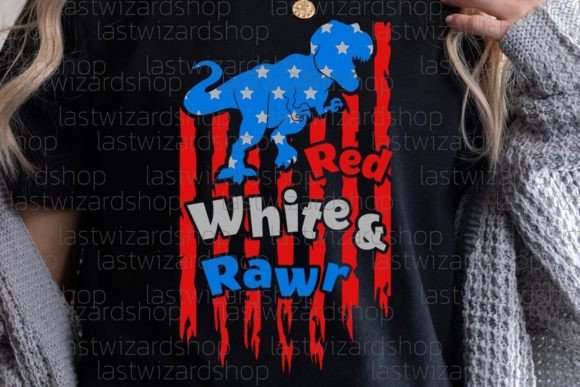
The first thing that strikes me about this design is its playful energy. The concept of combining patriotic themes with a "rawr" dinosaur motif creates an immediate connection with a specific demographic: young boys and their parents looking for something fun rather than traditional. While many Independence Day designs rely heavily on eagles, flags, and solemn typography, this graphic offers a whimsical alternative. The layout appears balanced, with the text and imagery working together to create a cohesive shape that should sit well within standard hoop dimensions.
From a visual standpoint, the boldness of the shapes suggests it was created with cutting machines in mind initially, which is common for files labeled as Graphics within the Crafts category. However, for us embroidery professionals, the challenge lies in interpreting these solid vector shapes into stitch types. The design exudes a casual, boutique vibe that fits perfectly into the current trend of personalized, character-driven apparel. It feels less like a mass-produced uniform and more like a special treat for a child's holiday outfit.
Real-World Application: The Sweatshirt Scenario
To truly test the viability of the Red White and Rawr Svg, 4th of July Svg, I imagined a specific real-life scenario: a custom order for a local boutique needing a run of matching sibling sweatshirts for a family Fourth of July parade. The client wanted something durable yet festive. In this context, the design shines as a potential sweatshirt embroidery candidate. The thick lines and clear separation between elements suggest that, when digitized correctly or used as an applique base, it would pop beautifully against heather grey or navy fleece.
For a project like this, the design serves as a strong focal point. If applied as a full fill stitch design, it would add texture and weight to the garment, giving it a premium feel. Alternatively, if treated as an applique design, where the SVG acts as the cut guide for fabric layers, it could reduce stitch count and create a flatter, more comfortable finish for active kids. The versatility here is key for any Etsy seller or small shop product creator looking to maximize the utility of a single digital embroidery file.
Navigating Fabric and Stitch Challenges
However, enthusiasm must be tempered with technical reality. When dealing with a design derived from SVG cut files, one must be cautious about stitch density. If the original artwork has large solid areas, converting them directly to satin stitches can result in excessive thread buildup, leading to puckering or thread breaks. Conversely, using only running stitches might leave gaps that look unfinished on a finished product.
I would advise testing this design carefully on stretchy fabrics. If you are planning baby embroidery on a onesie, the density needs to be light enough not to restrict movement or irritate sensitive skin. Similarly, on textured fabrics like waffle knit or heavy canvas tote bags, small details might get lost. The "rawr" text, depending on its size in the final digitization, could become illegible if the letters are too close together or if the thread colors lack sufficient contrast against the background material.
Curved surfaces present another hurdle. Placing this on a cap requires careful consideration of the center line and the curvature of the brim. A design that looks flat on a screen can distort significantly when stitched onto a structured hat. For best results on caps, I recommend scaling the design down slightly and ensuring the stabilizer usage is robust to prevent shifting during the high-speed stitching of a cap frame.
Enhancing Product Value and Brand Consistency
Why choose this specific design over dozens of others? It comes down to brand consistency and customer engagement. For a craft business specializing in children's wear, offering a unique twist on holiday themes builds trust. Customers recognize that thought has gone into the selection of design assets. A well-executed version of the Red White and Rawr Svg, 4th of July Svg elevates a simple t-shirt into a keepsake. It signals that the maker understands current trends while maintaining quality standards.
The visual appeal of this design also translates well to printable mockups. Strong, clear graphics photograph better for online listings, helping to drive clicks and conversions. Whether you are selling the physical custom apparel or the digital file itself, the clarity of the image ensures that what the buyer sees is what they get. This transparency reduces return rates and increases positive reviews, which are the lifeblood of any online handmade shop.
Practical Notes for the Professional Maker
Before committing to a production run or listing this as a commercial item, there are several critical steps to take. First, always test the design on scrap fabric that matches your final material. Check how the thread colors interact; red and white can sometimes bleed visually if the tension is off or if the fabric is dark. Speaking of dark fabrics, ensure you have a plan for underlay stitches to prevent the garment color from showing through the lighter parts of the design.
Verify the licensing terms explicitly. Just because a file is available for purchase does not automatically grant rights for commercial embroidery or resale as a digital asset. Many creators buy these files for personal use only. If you intend to sell finished goods, confirm that the license covers small business usage. Additionally, since the source files include formats like DXF, PNG, and EPS, remember that these are often vector cut files. You may need to hire a professional digitizer to convert this artwork into a true embroidery format (like PES, DST, or XXX) optimized for your specific machine, rather than relying on auto-digitizing software which often produces poor stitch quality.
Finally, consider the washing instructions you provide to your customers. Dense designs require proper care to maintain their shape. Educating your buyers on how to wash their embroidered patch or garment extends the life of the product and reflects well on your professionalism.
In conclusion, the Red White and Rawr Svg, 4th of July Svg holds significant promise for the right projects. It captures a fun, youthful spirit that resonates with modern parents. However, its success relies entirely on the skill of the maker to adapt a cut-file aesthetic into a durable, high-quality stitched reality. With careful attention to density, fabric choice, and licensing, this design can be a standout star in your holiday embroidery project lineup.